



What is Drawdown in Trading and How to Calculate It Step by Step
The most honest risk indicator: it doesn’t tell you how much you can gain, but how much you should be prepared to lose.
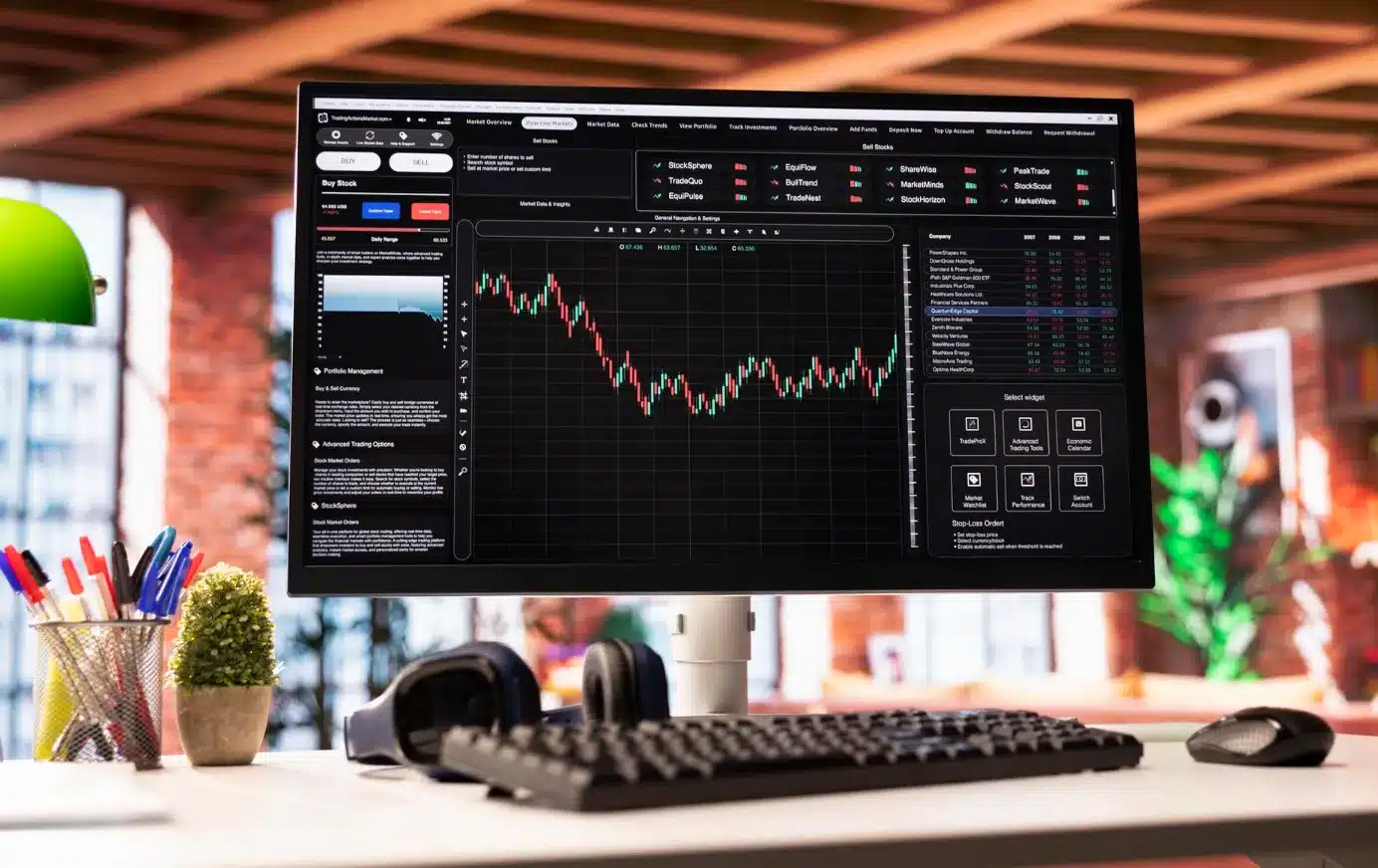
Drawdown in trading measures how much your capital falls from its highest point to its lowest point before recovering. It is perhaps the most honest risk indicator out there: it doesn’t tell you how much you can gain, but how much you should be prepared to lose. In this guide, you will learn what drawdown is, the different types, how to calculate it step by step with real examples, and what levers you can activate to reduce it in your strategy.
📌 Before evaluating the profit potential of any system, first understand its drawdown. That order — risk before returns — is what separates those who trade with discipline from those who trade with illusions.
What is Drawdown in Trading: Simple Definition
Imagine you are hiking on a mountain with ups and downs. Every time you reach a peak and then descend into a valley, that descent is your drawdown. The important thing is not whether you eventually go back up, but how deep that valley was and how long it took you to get out of it.
In trading, drawdown is exactly that: the percentage (or absolute value) drop that an account suffers from its all-time high to the lowest point recorded before recovering that level. It does not represent a permanent loss, but a temporary contraction of capital.
Drawdown is a risk indicator, not a permanent loss. A strategy with controlled drawdown can be more valuable than one with high returns but devastating drops.
Types of Drawdown You Should Know
There is not just one type of drawdown, but several ways to measure it depending on what you want to analyze. Knowing the four main types helps you correctly interpret the risk of your strategy.
Absolute Drawdown
Absolute drawdown compares the current account value with the initial capital deposited. If you deposited $10,000 and at some point your account fell to $8,500, your absolute drawdown is $1,500.
Maximum Drawdown (Max DD)
This represents the largest drop from a peak to a valley throughout the account’s history. If your account reached $15,000 and then fell to $9,000, your Max DD was 40%.
Relative Drawdown & Current vs Historical
Relative drawdown expresses the drop as a percentage relative to the previous peak. Current drawdown measures the drop from the last peak to today; historical drawdown records all past drawdowns to analyze consistency.
How to Calculate Drawdown Step by Step
Relative Drawdown Formula: Drawdown (%) = ((Peak − Valley) / Peak) × 100
Practical example: Your account rises to $12,500 and then drops to $9,750. (12,500 − 9,750) / 12,500 × 100 = 22% drawdown.
| Day | Balance (USD) | Peak recorded | Current Drawdown |
|---|---|---|---|
| 1 | 10,000 | 10,000 | 0.00% |
| 2 | 10,800 | 10,800 | 0.00% |
| 3 | 10,200 | 10,800 | 5.56% |
| 4 | 11,500 | 11,500 | 0.00% |
| 5 | 10,350 | 11,500 | 10.00% |
| 6 | 9,200 | 11,500 | 20.00% (Max DD) |
| 7 | 9,800 | 11,500 | 14.78% |
| 8 | 11,600 | 11,600 | 0.00% |
What is an Acceptable Drawdown Based on Your Risk Profile
Conservative
Low frequency, high win rate, tight stops.
Moderate
Standard discretionary trading, accepts losing streaks.
Aggressive
High frequency, leverage, requires emotional tolerance.

Difference Between Drawdown and Loss
| Concept | What it measures | Is it permanent? | What it indicates |
|---|---|---|---|
| Loss | Negative result of a closed trade | Yes | Direct impact on available capital |
| Drawdown | Drop from the recent peak | No (as long as the strategy is viable) | System risk and strategy resilience |
How to Reduce Drawdown in Your Trading Strategy
- Position sizing: Never risk more than 1-2% of capital per trade.
- Proper use of stop loss: Place it where the trade thesis becomes invalid.
- Diversification across assets: Low-correlation assets cushion declines.
- Regular system review: If you exceed historical drawdown, stop and analyze.
Common Mistakes When Interpreting Drawdown
- Confusing drawdown with failure — it’s part of the process.
- Not considering recovery time: 20% in two weeks is not the same as in two years.
- Looking only at percentage and not absolute amount.
- Assuming historical drawdown is the maximum possible — the future could be worse.
Frequently Asked Questions About Drawdown in Trading
What drawdown is normal? Below 10% (low), 10-20% (common), >30% (concerning for retail traders).
Does drawdown affect available leverage? Yes, it reduces margin and can trigger margin calls.
How long does it take to recover from a 20% drawdown? Depends on monthly return: at 5% per month, between 4 and 6 months.
📊 Apply what you’ve learned without risking real capital
At 24five you can open a demo account, test your strategy, and measure your own maximum drawdown.
👉 Explore demo account